
If you have a passion for cooking or baking and have been contemplating turning that passion into a profitable venture, you should know Alabama cottage food law. It is an incredible opportunity for entrepreneurs, offering a platform to begin your entrepreneurial voyage with minimum upfront investments and limited risks. The law applies whether you are planning to sell your home-baked cookies or jam at the local farmers’ market.
What is the Alabama Cottage Food Law?
Alabama’s cottage food law allows people to produce, process, and sell non-hazardous foods from their domestic kitchens. This flexibility facilitates home entrepreneurs to start their food businesses without needing to invest in a commercial kitchen or attain food establishment permits.
The Alabama cottage food law offers guidelines for small scale and home-based food businesses. It stipulates the type of foods you can sell, where you can sell them, and various licensing and labeling requirements.
What You Can & Cannot Sell
According to the Alabama Cooperative Extension System, under Alabama cottage food law you can sell:
- Candies
- Jams, jellies, fruit preserves, marmalade
- Dried herbs and herb mixes made from commercially prepared ingredients
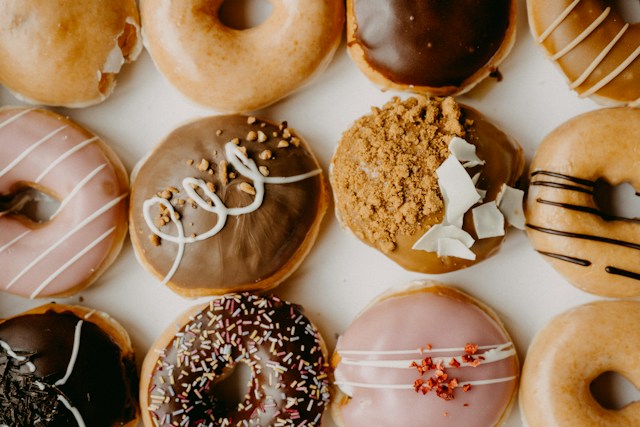
- Baked goods: cakes, cookies, glazed pastries, danish pastries, doughnuts, breads, pies, cheese straws
- Candied or roasted nuts
- Popcorn (candied, coated, flavored)
- Spices (nonhazardous and considered generally recognized as safe or GRAS by the US Food and Drug Administration)
- Roasted coffee
- Dried baking mixes
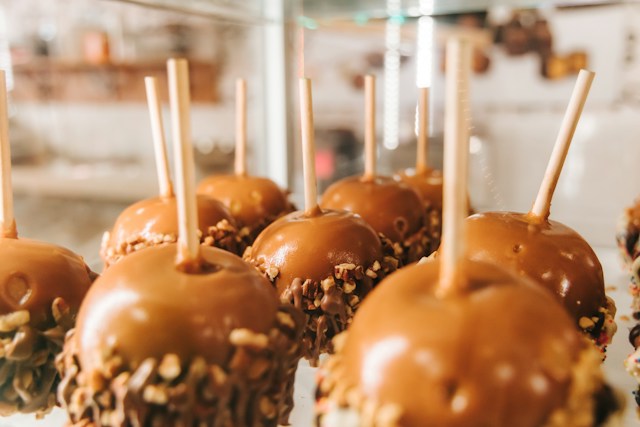
- Chocolate or caramel covered fruit
You can also sell the following IF your products pass pH and/or water activity testing:
- Home dehydrated or dried herbs, herb mixes, tea leaves, vegetables or fruits, or fruit leathers (no melon)
- Fermented or preserved vegetables or fruits that do not result in the production of alcohol. Examples include pepper relish, chowchow, pickles, relishes, salsas (tomato or fruit), kimchi, sauerkraut, pickled fruits
- Fruit butters
- Infused vinegars containing GRAS ingredients
- Nut butters
You cannot sell:
- Baked goods with a component that requires refrigeration, such as custard pies and cakes with a whipped topping.
- Barbecue sauces
- Cheesecakes
- Garlic in oil mixtures
- Ice cream
- Juices from fruits or vegetables
- Beverages/teas from fruits or vegetables
- Juice drinks
- Meats in any form
- Milk products
- Raw cookie dough
- Soft or hard cheeses, including cheese sticks
- Vegetable pizzas
Sales Limit and Venue
There is no annual gross sales limit for cottage food businesses in Alabama. You can sell cottage food products directly to consumers from your home in person, by phone, or online with delivery. You may NOT sell your products to grocery stores, restaurants, coffee shops, or other permitted establishments.
Alabama Cottage Food Labeling
Keep in mind that your products must be correctly labeled in 10pt font or larger. The label should include the name and address of the cottage food operation, the name of the product, the ingredients, and a disclaimer stating that the food is not inspected by the Alabama Department of Public Health.
Other Requirements
You must procure a sales tax license from the Alabama Department of Revenue for your business and pass an approved food safety course every three years.
Be sure to do your due diligence in understanding these requirements before embarking on your cottage food venture. Check with the Alabama Department of Public Health and your local health department to confirm any and all information.
When your business is ready to go, open a free shop on Airmart!